

What is Congenital Heart Disease (CHD)?
Congenital Heart Disease (CHD) refers to structural abnormalities of the heart that are present at birth. The word "congenital" simply means existing at birth. It occurs when the heart, or blood vessels near the heart, do not develop normally before birth.
How Common is It?
CHD is one of the most common types of birth defects. While the diagnosis can be frightening for parents, it's important to know that medical advancements have significantly improved the diagnosis and treatment of these conditions. Many children with CHD grow up to lead healthy, active lives.
Common Types of CHD
There are many different types of congenital heart defects, ranging from simple conditions that don't cause symptoms to complex problems that cause severe, life-threatening symptoms.
- Septal Defects (Holes in the Heart): Conditions like Atrial Septal Defect (ASD) and Ventricular Septal Defect (VSD) where there is a hole in the wall separating the heart chambers.
- Patent Ductus Arteriosus (PDA): An unclosed blood vessel that normally closes shortly after birth.
- Valve Defects: Valves that are too narrow (stenosis) or completely closed.
Signs and Symptoms in Children
Symptoms depend on the specific defect and its severity. In infants, signs might include rapid breathing, a bluish tint to the skin (cyanosis), poor feeding, and poor weight gain. In older children, symptoms could include shortness of breath during exercise, tiring easily, or fainting.
How We Evaluate CHD
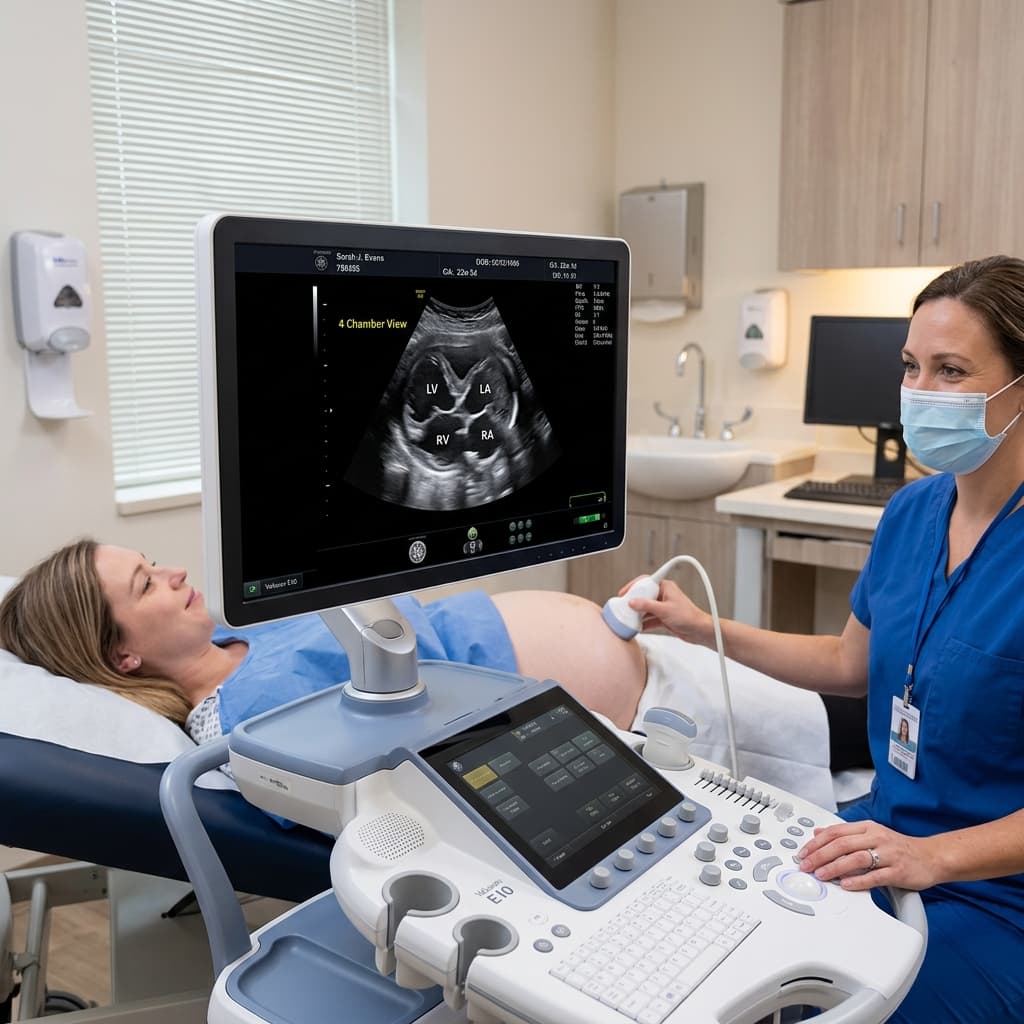
If your pediatrician suspects a heart issue, they will refer you to a pediatric cardiologist. The primary tool we use for evaluation is the Echocardiogram—a painless, safe ultrasound of the heart that provides detailed images of the heart's structure and function.
Conclusion
If your child has been diagnosed with CHD or if you have concerns about a murmur, scheduling an evaluation with a pediatric cardiologist is the first step toward understanding the condition and planning the right care for your child's growing heart.